How to Avoid Impulse Buys Using AI as a Cooling-Off Tool
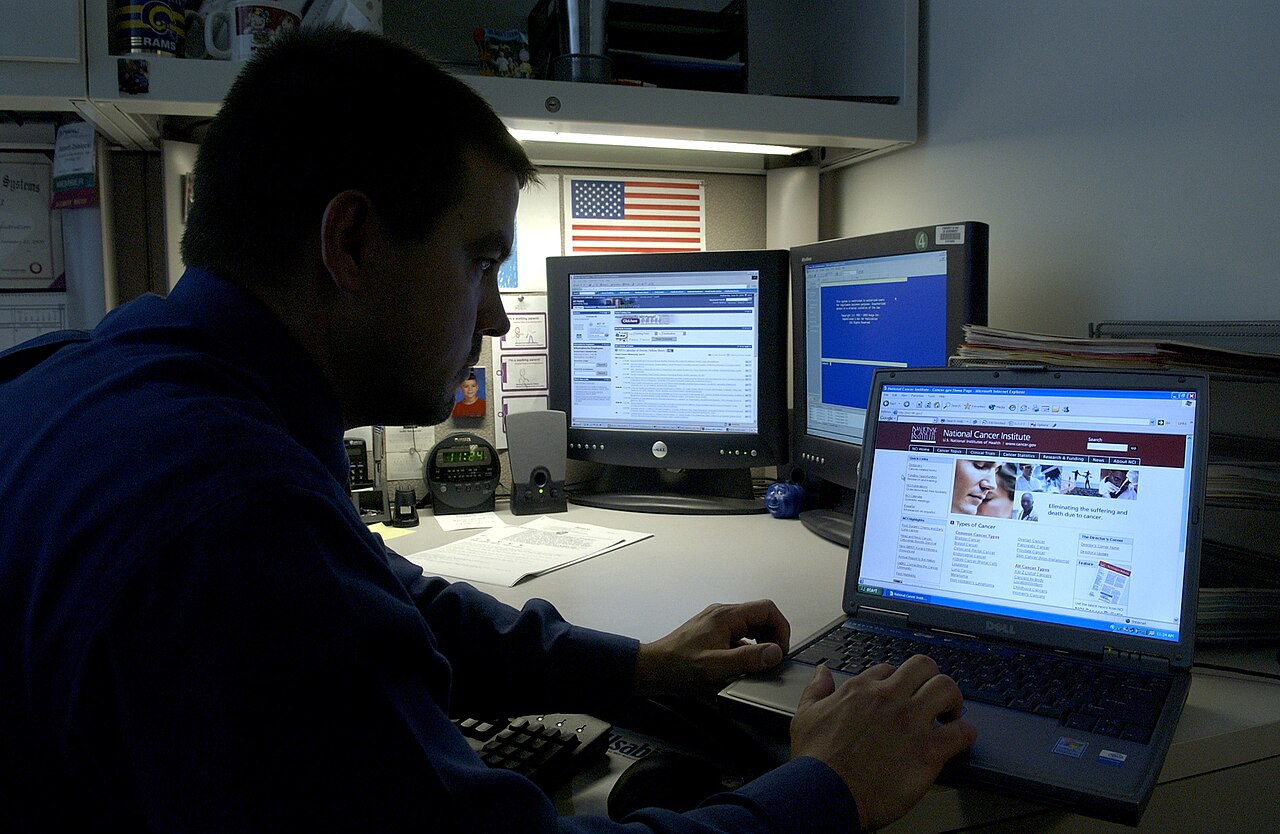
Impulse buying isn't a willpower problem so much as a speed problem—checkout is designed to be as fast and frictionless as possible, which means the decision often happens before you've really thought about it. AI tools are useful here precisely because they're good at slowing that moment down and asking the questions you'd normally skip.
Why impulse buying is a design problem, not just a discipline problem
One-click checkout, saved payment details, and countdown timers on sale pages all exist to remove friction between wanting something and buying it. You're not failing at self-control when you get caught by this—the systems are built to work. The fix is adding a small amount of deliberate friction back in, which is exactly what a short AI-assisted pause accomplishes.
Build a simple cooling-off rule
- Set a dollar threshold above which you always pause—commonly $50-100 for a 24-hour pause, and $200+ for a longer 72-hour pause.
- When you hit that threshold, add the item to a list instead of checking out immediately. A notes app, a cart you don't complete, or a wishlist all work.
- Come back after the waiting period and ask yourself (or an AI assistant) a few honest questions before deciding.
- If it still makes sense after the pause, buy it deliberately—the goal isn't to ban purchases, it's to make sure they're decisions rather than reflexes.
Prompts that cut through impulse-buy justification
AI is useful here because it doesn't get caught up in the same in-the-moment excitement you do. Try asking:
- "I want to buy [item] for [price]. I don't have an immediate need for it. Help me think through whether this is a want or a need, and what else this money could go toward this month."
- "Is this the kind of purchase I've regretted before? Here's what I bought impulsively last month: [list]. Does this fit that pattern?"
- "What's a cheaper or free alternative that would get me most of the value of this purchase?"
These questions work because they're the ones you'd naturally skip mid-checkout, and having AI ask them removes the awkwardness of arguing with yourself.
Use your budget as a real-time reality check
Abstract prices are easy to justify; a real number attached to your actual monthly spending is harder to ignore. Before an impulse purchase, check what an AI budgeting app shows for your discretionary category this month—seeing "this would put me 40% over budget for the month" lands very differently than just seeing a price tag. Our AI budgeting for beginners guide covers a fast way to set this up if you don't already track spending, and our smart shopping hub has more tools for checking whether a purchase is genuinely worth it before you commit.
Remove the easiest triggers
- Unsubscribe from retailer marketing emails that exist specifically to create urgency around sales you weren't looking for.
- Remove saved payment details on sites where you shop impulsively, so checkout requires a deliberate extra step.
- Turn off one-click or app-based instant checkout for at least your highest-risk retailers.
- Mute notifications from shopping apps outside a specific time you've chosen to browse.
Keep a small guilt-free allowance
A cooling-off system that's too strict tends to break down entirely. Set aside a small monthly amount—enough for genuinely spontaneous small purchases—that you don't have to justify to anyone, including yourself. This keeps the larger rule sustainable instead of something you abandon after one exception.
Bottom line
Impulse buying responds well to friction, and AI is an efficient way to add a short pause and a few honest questions before checkout, without needing to swear off spontaneous purchases entirely. Set a dollar threshold for when you pause, use an AI assistant to ask the questions you'd normally skip, and check the real number against your monthly budget before deciding. This is general behavioral guidance, not financial advice, and the right threshold will vary by your own income and habits.
FAQ
Does using AI to avoid impulse buys mean I can never spend spontaneously?
No. The goal is to add a short pause and a few honest questions before larger or frequent purchases, not to eliminate all unplanned spending. Most people keep a small no-questions-asked allowance for exactly this reason.
What's a reasonable cooling-off period for impulse purchases?
24 hours works well for moderate purchases, and 72 hours or longer for anything above a threshold you set for yourself, such as $100 or $200. The exact number matters less than having one you stick to.
Can an AI budgeting app actually stop me from overspending?
It can't block a purchase, but it can show you in real time how a purchase affects your monthly total, which is often enough to make the true cost land emotionally instead of staying abstract.